What an Aging TPO Roof Actually Looks Like Up Close
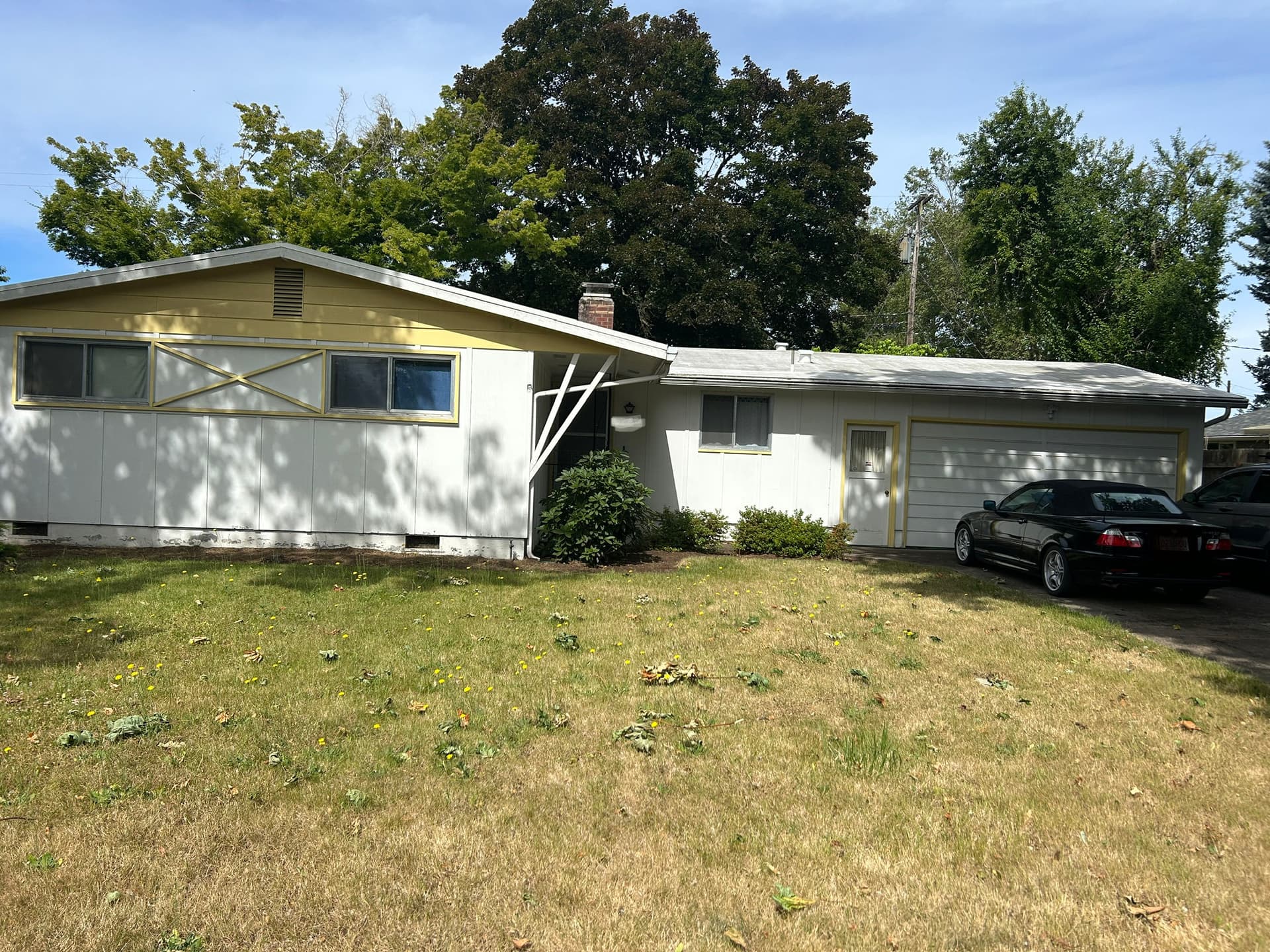
Older TPO roofs can look totally fine from the street. That's the tricky part. By the time you start noticing water stains on your ceiling or soft spots underfoot, the damage has usually been building for a while - quietly.
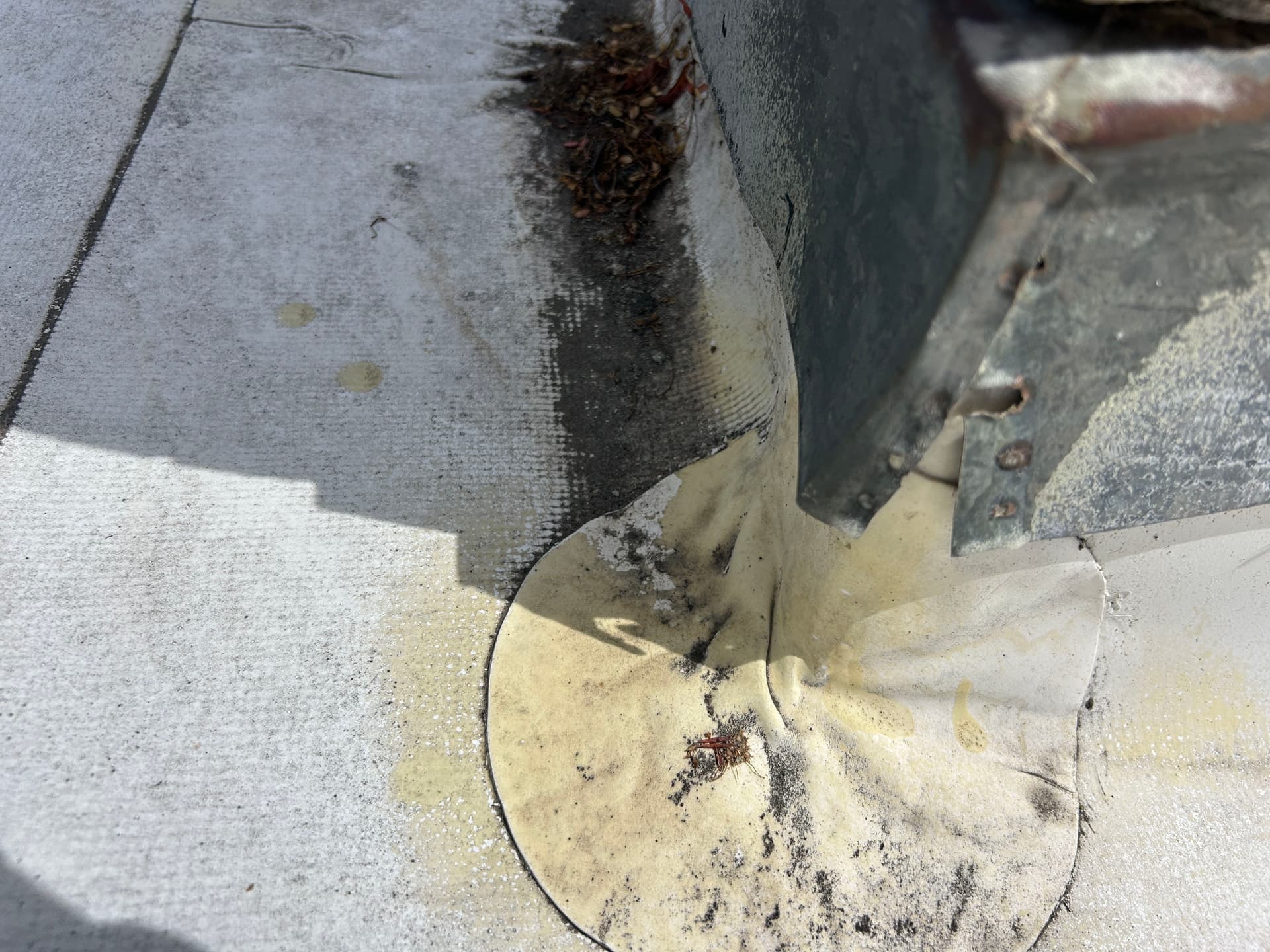
Here's what we're often dealing with when we get called out to a home like this. The membrane starts to lift and curl at the edges. Seams that were once tight begin to separate. Debris builds up around penetrations and wall flashings, trapping moisture right where you don't want it. None of this is visible from the ground, which is exactly why a proper roof inspection matters so much.
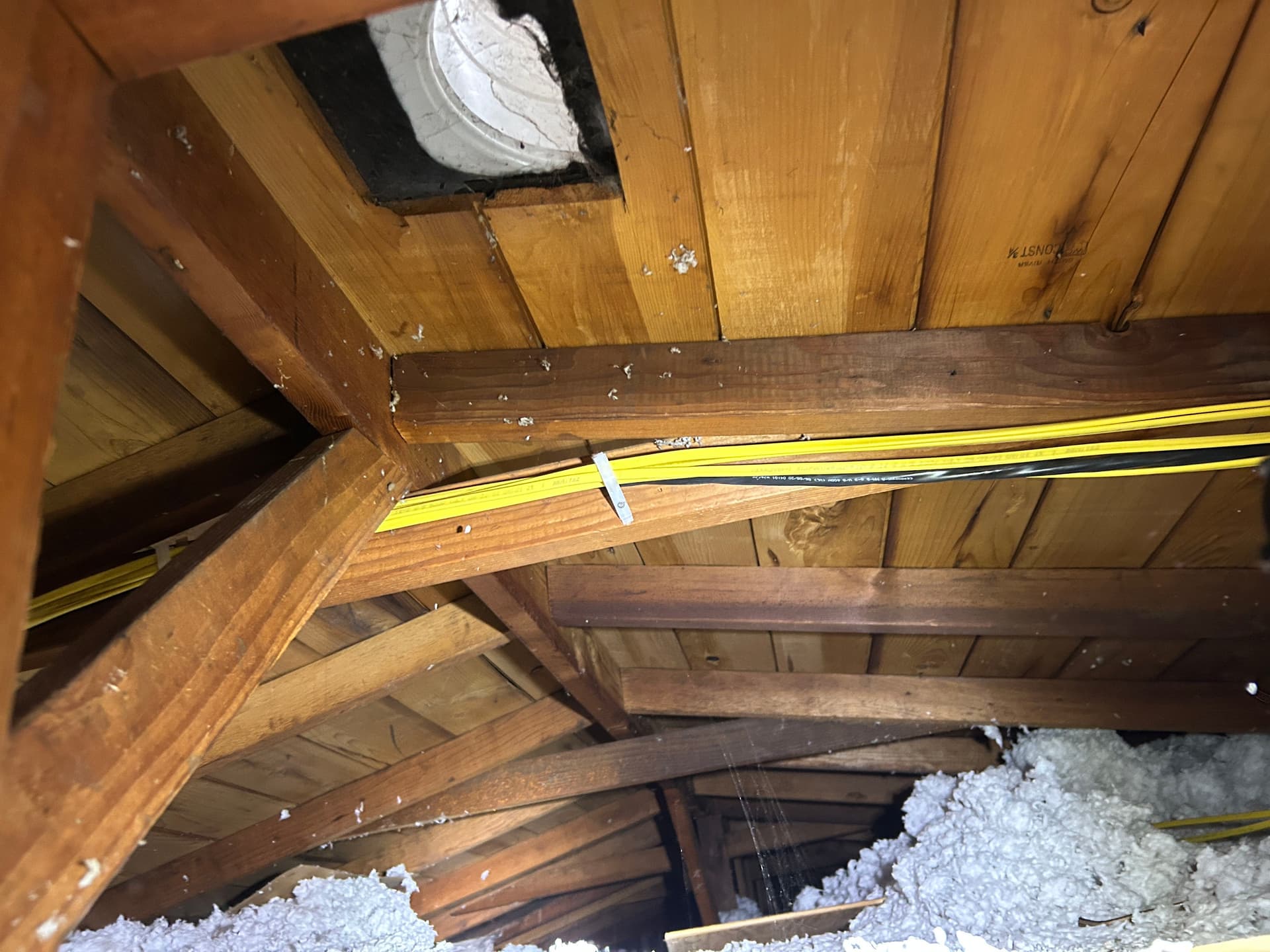
We also go up into the attic. That step gets skipped more than it should. But the attic tells you a lot - whether moisture has been getting into the framing, whether the decking has started to break down, whether there's evidence of an active or ongoing leak. You can't make a smart decision about your roof without that full picture.
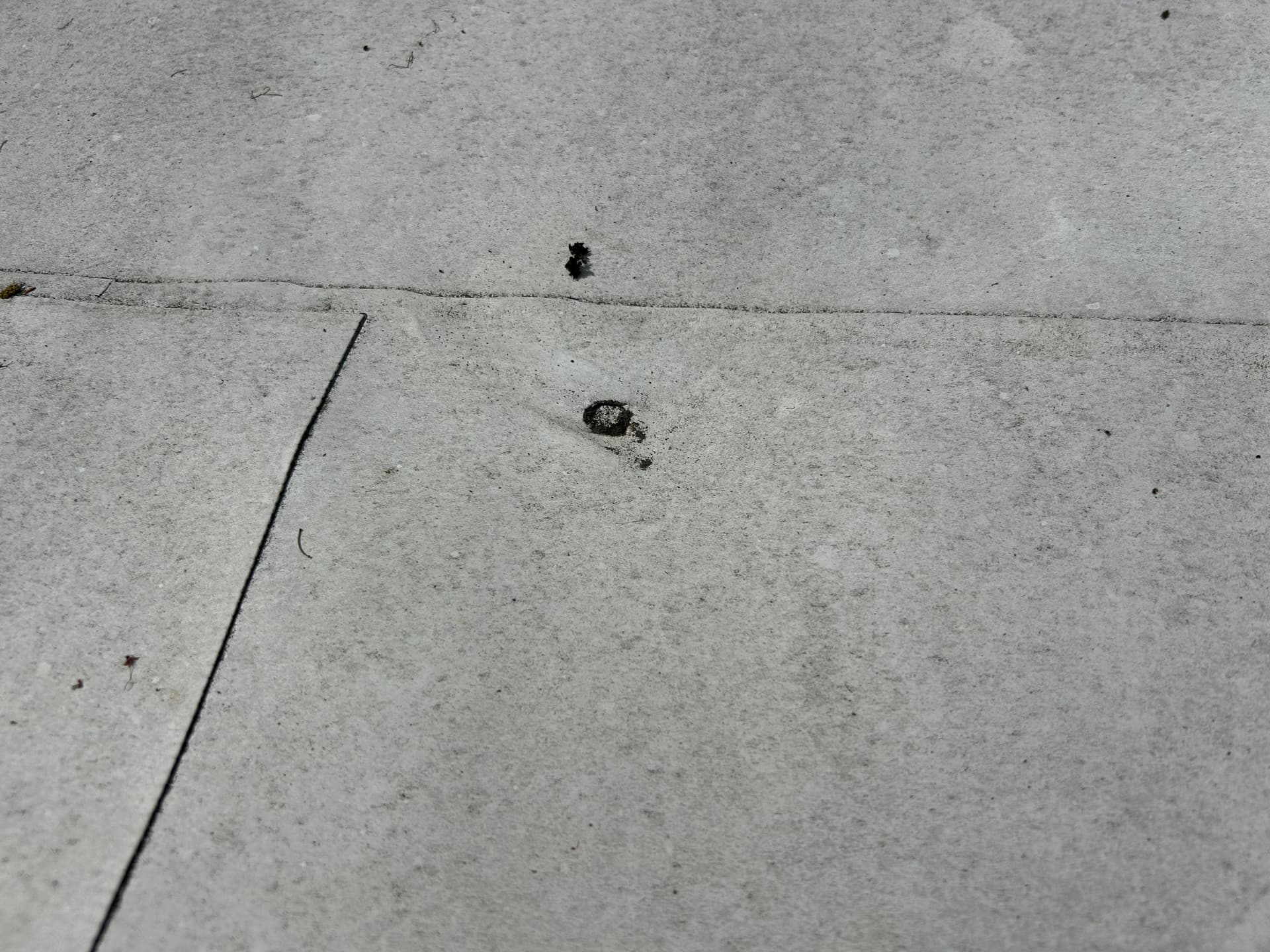
When TPO membrane has been in service for decades, you're often dealing with a combination of things at once - failed flashing at walls or penetrations, small punctures or holes in the field of the membrane, and sometimes soft or compromised decking underneath. A patch here and there might buy you some time, but it doesn't always address what's actually causing the problem. That's what we help you figure out.
If you've got an older flat or low-slope roof and you're not sure what's going on up there, don't wait for the next rain to find out. We'll take a thorough look at the membrane, the flashings, and the structure underneath - and give you a straight answer about where things stand and what your real options are.