New Gutter and Downspout Install That Actually Moves Water Right
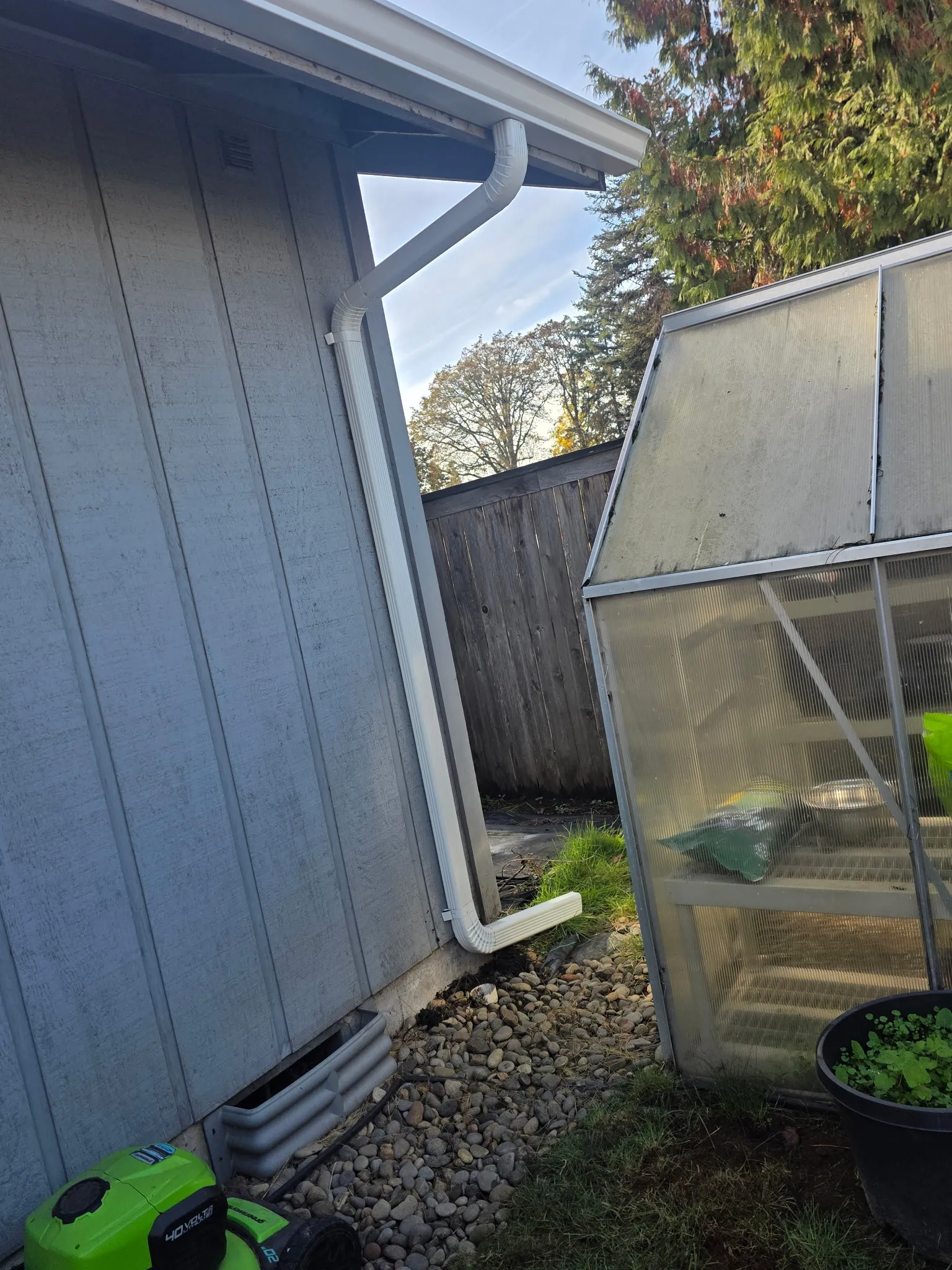
Here's the thing about gutters - most homeowners don't think about them until something goes wrong. Water starts pooling along the foundation, siding starts showing moisture damage, or the old gutters pull away from the fascia. By that point, the damage is already happening. Getting ahead of it with a proper install is always the smarter move.
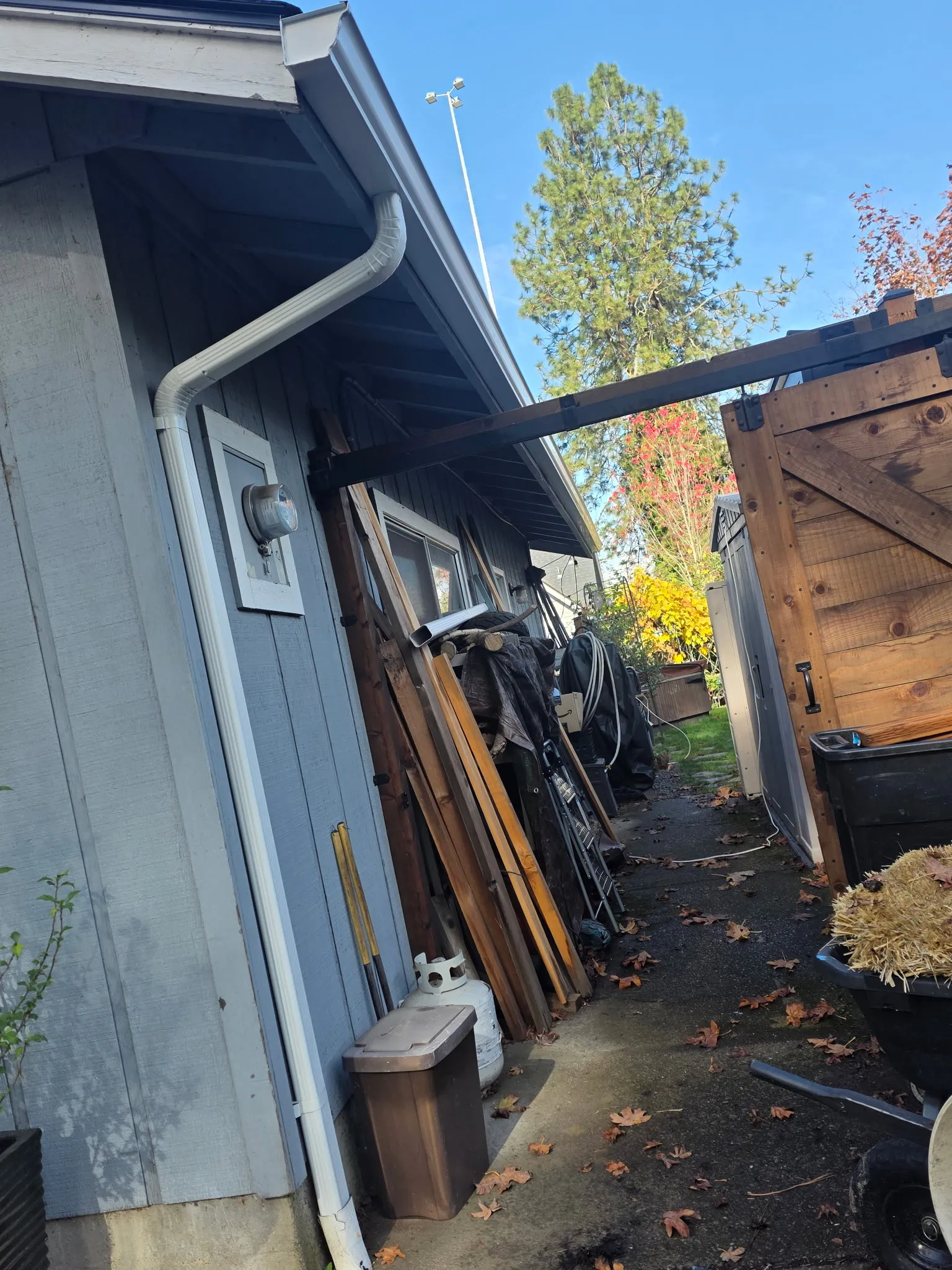
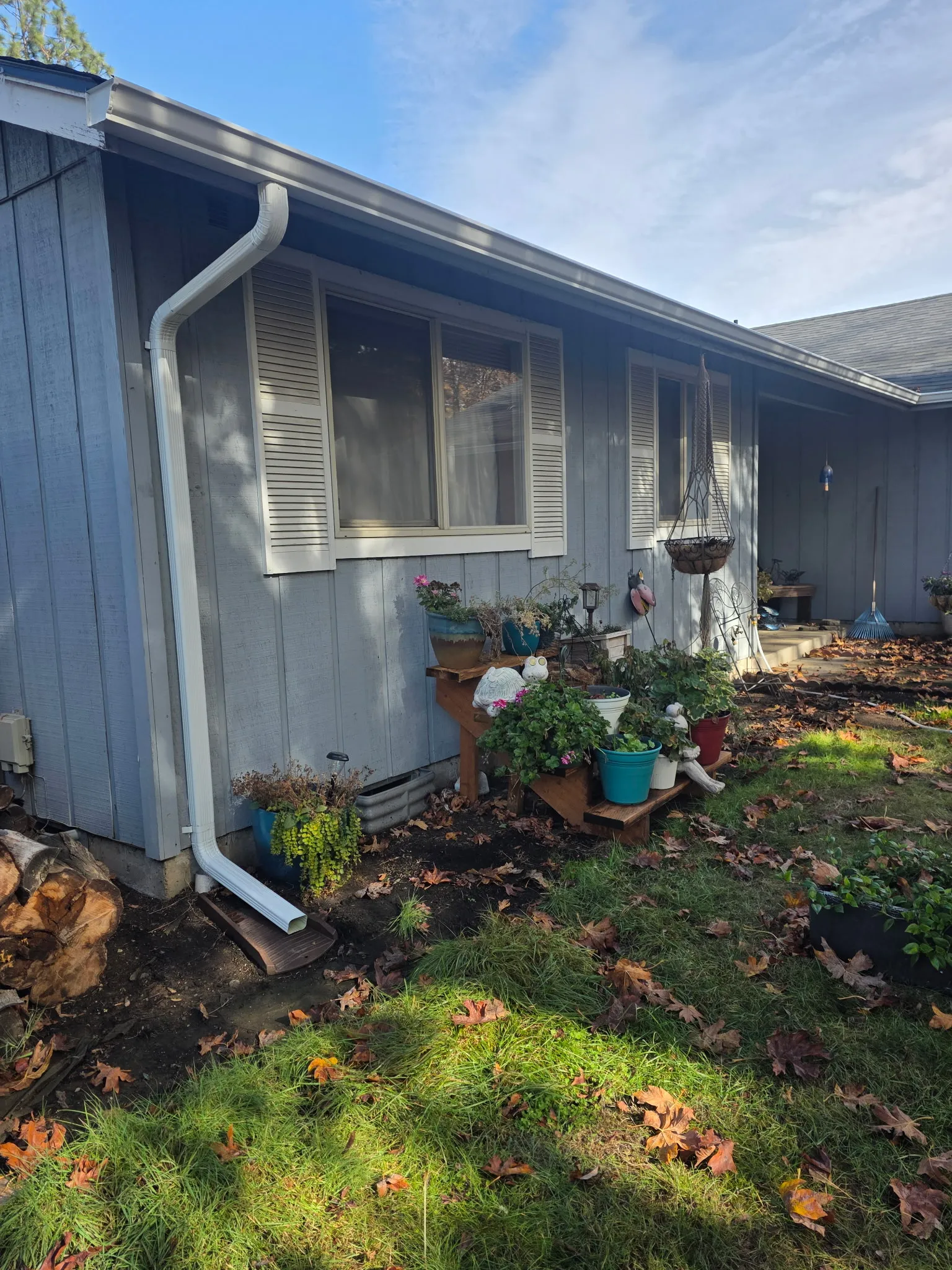
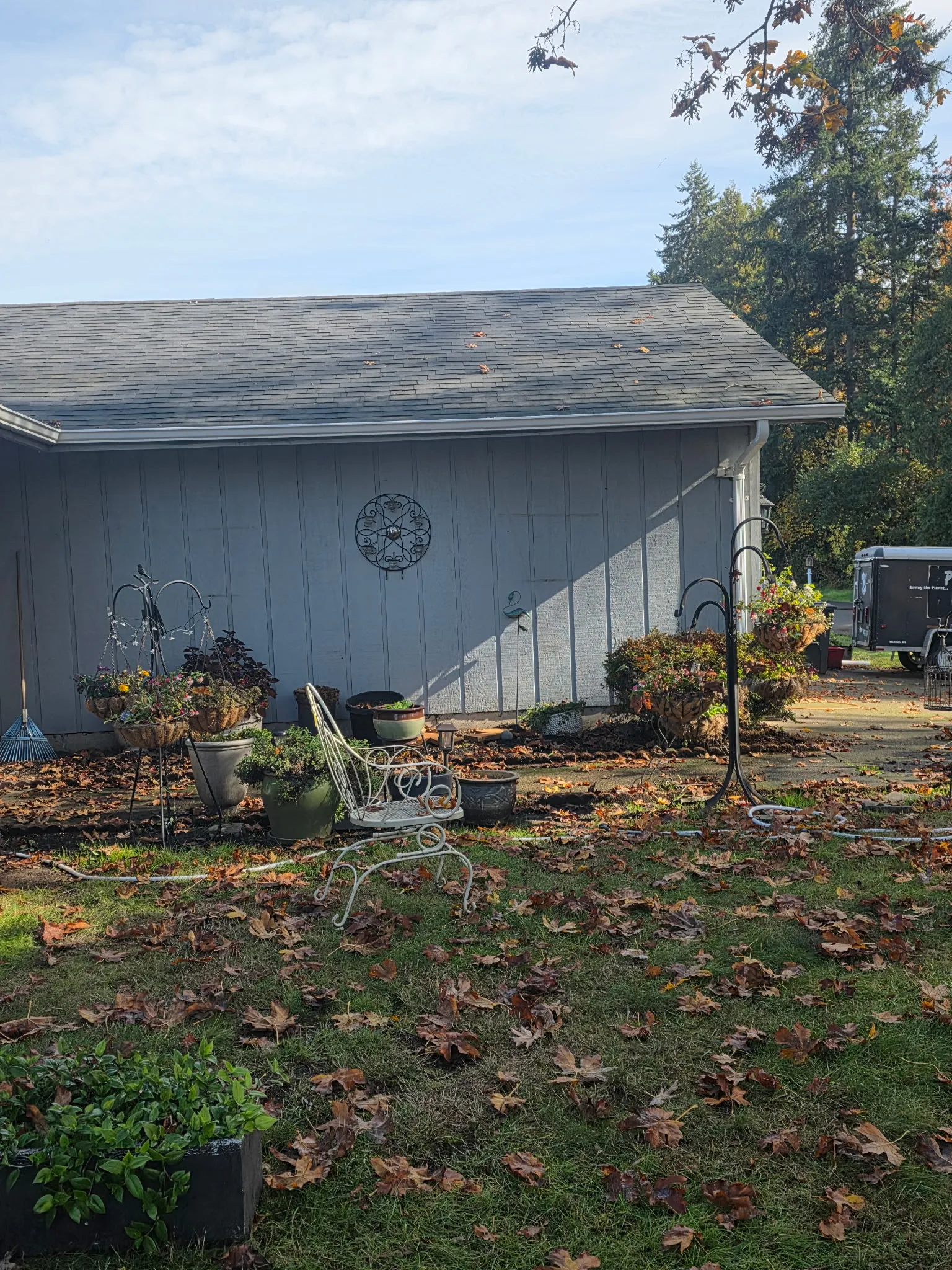
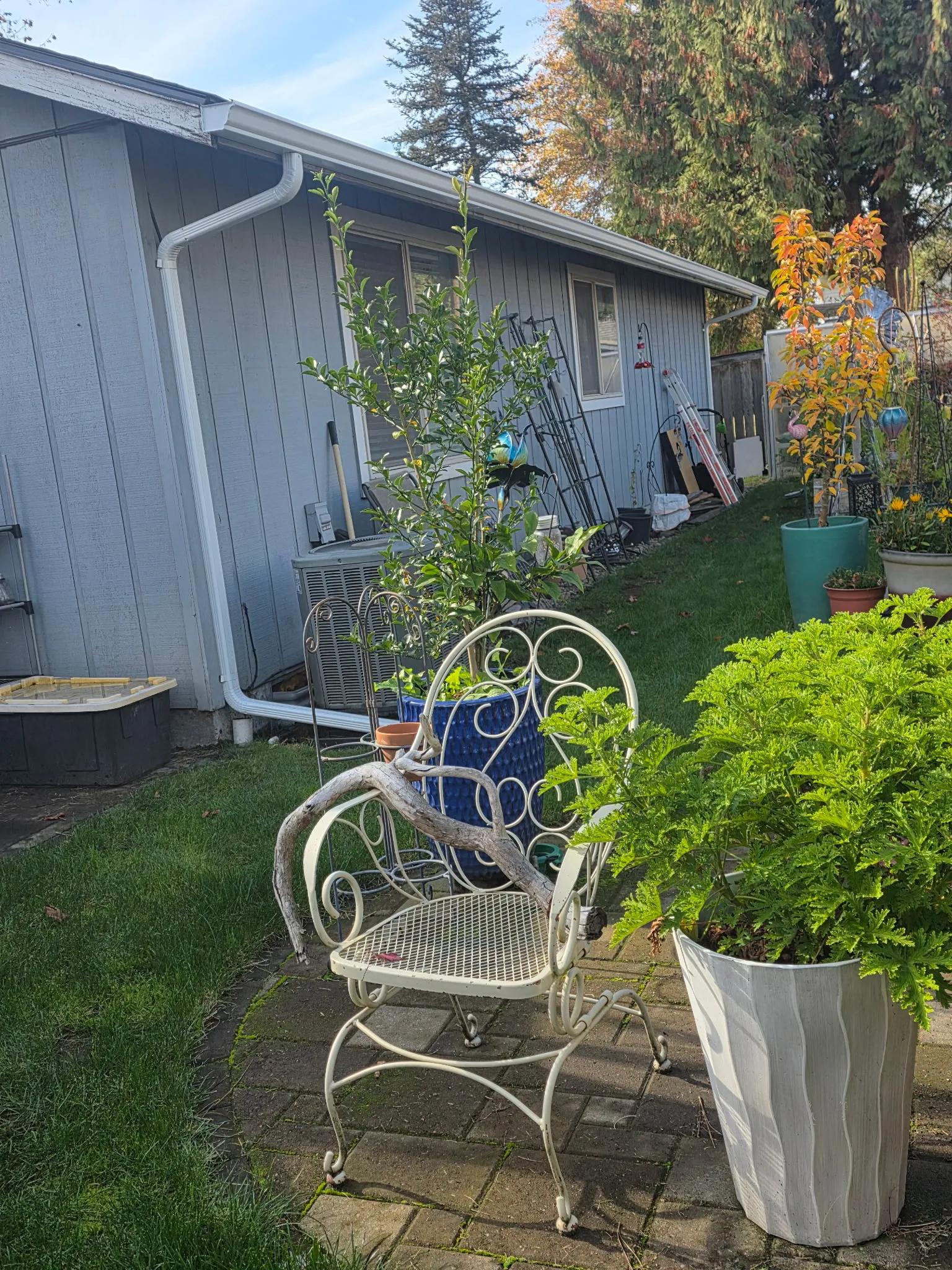
This was a full gutter and downspout installation across multiple sides of the home. We ran clean white gutters along the roofline and tied in properly angled downspouts to get water moving down and away from the structure. Every run was pitched correctly so water doesn't sit and stagnate - it drains the way it's supposed to, every time it rains.
What we pay close attention to on jobs like this is where the downspouts terminate. Getting water away from the foundation is the whole point. A downspout that dumps water right at the base of the wall is almost worse than no gutter at all. We made sure each one discharged out and away, landing on gravel or directing flow clear of the structure.
Older homes with original gutters - or no gutters at all - are especially vulnerable heading into the rainy season. When you've got board-and-batten siding like this home has, standing water and uncontrolled runoff can work its way into seams and cause real problems over time. A well-installed gutter system is one of the most practical things you can do to protect the siding and the foundation at the same time.
New gutters don't have to be complicated, but they do have to be done right. Proper pitch, secure hangers, clean downspout routing - those details are what separate a system that works from one that just looks like it does.