Hidden Moisture Was Wrecking This Home's Siding From the Inside Out
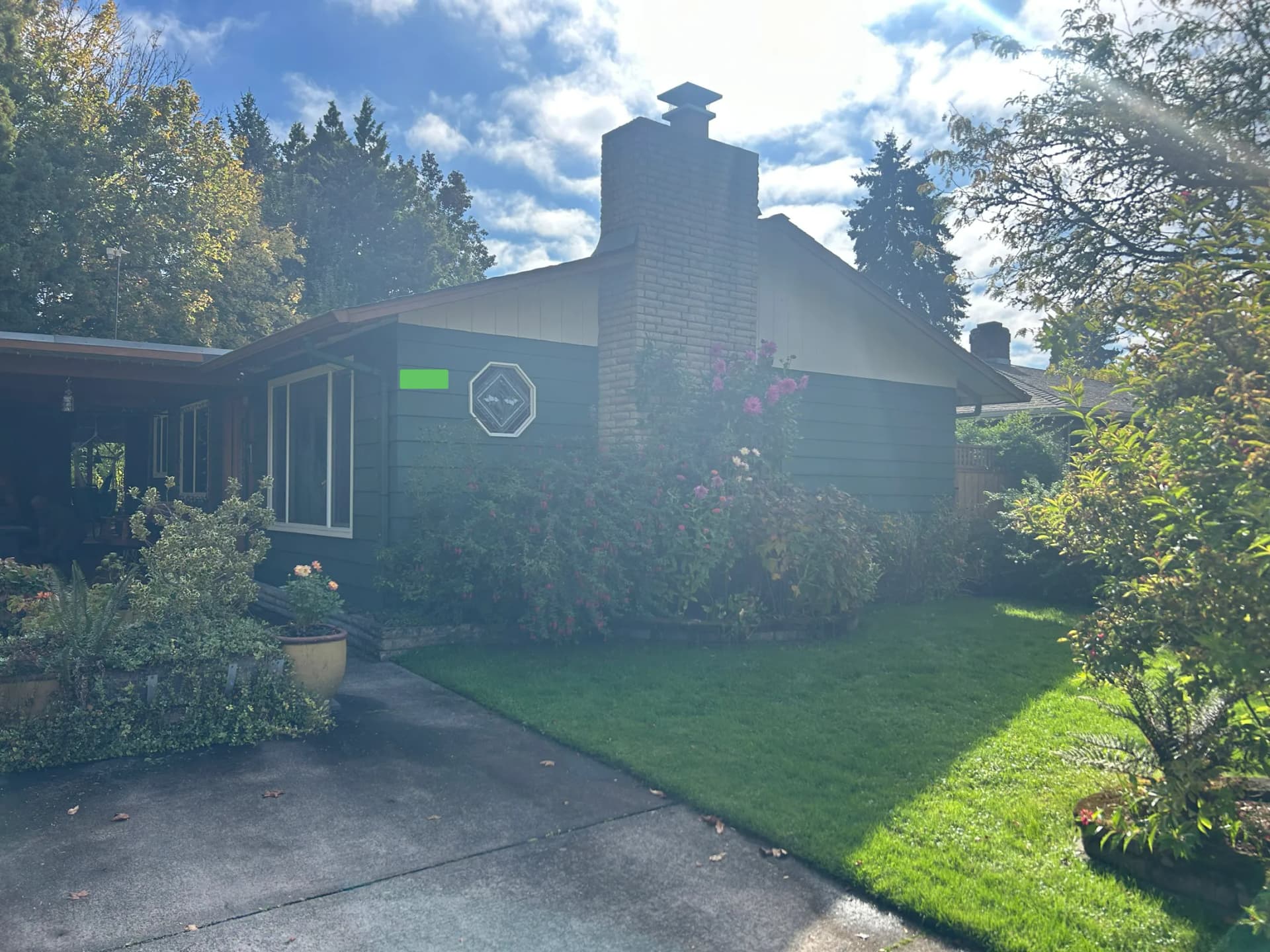
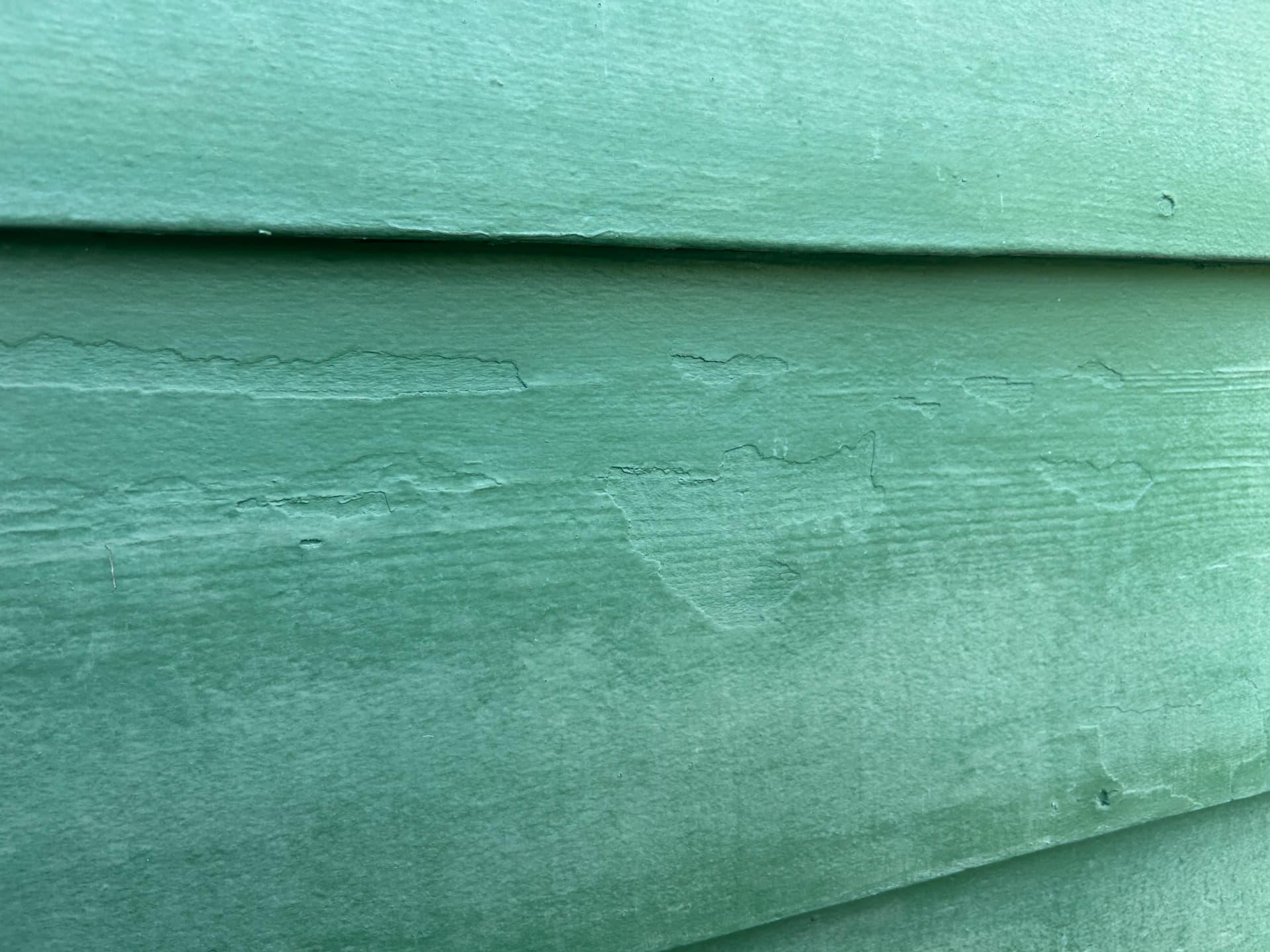
Most siding problems don't start on the surface. They start behind it. By the time you're seeing peeling paint, cracked caulking, or boards that feel soft underfoot, moisture has usually been working against your home for a while. That's exactly what we were dealing with on this job.
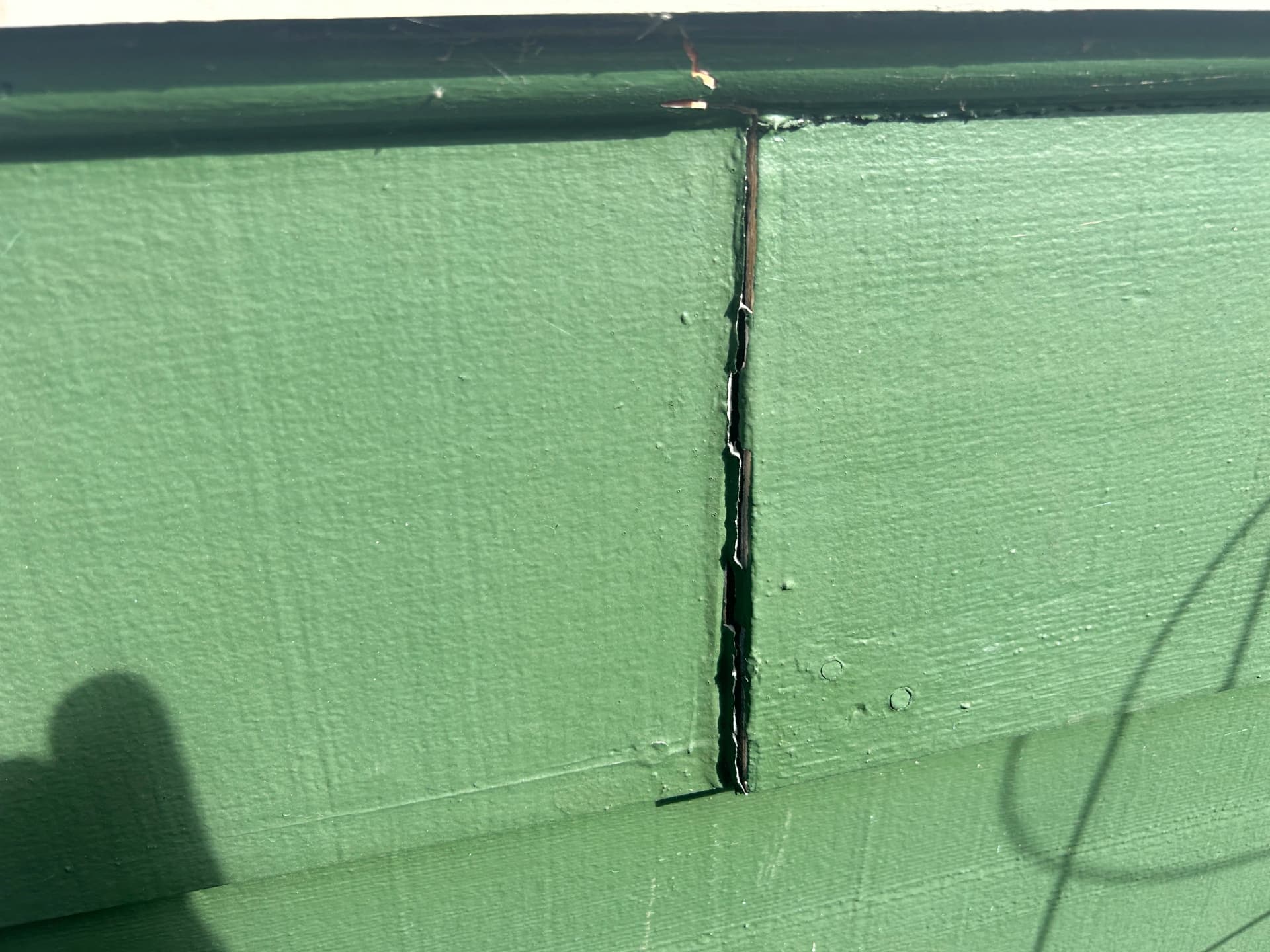
When we got here, the warning signs were already showing up on the exterior - paint lifting off the face of the boards, failed caulking at the seams, and nails that had backed themselves out due to the siding moving. That last one is a big red flag. When siding starts shifting and pushing fasteners out, it means the material has been absorbing and releasing moisture repeatedly. It's not a cosmetic issue at that point.
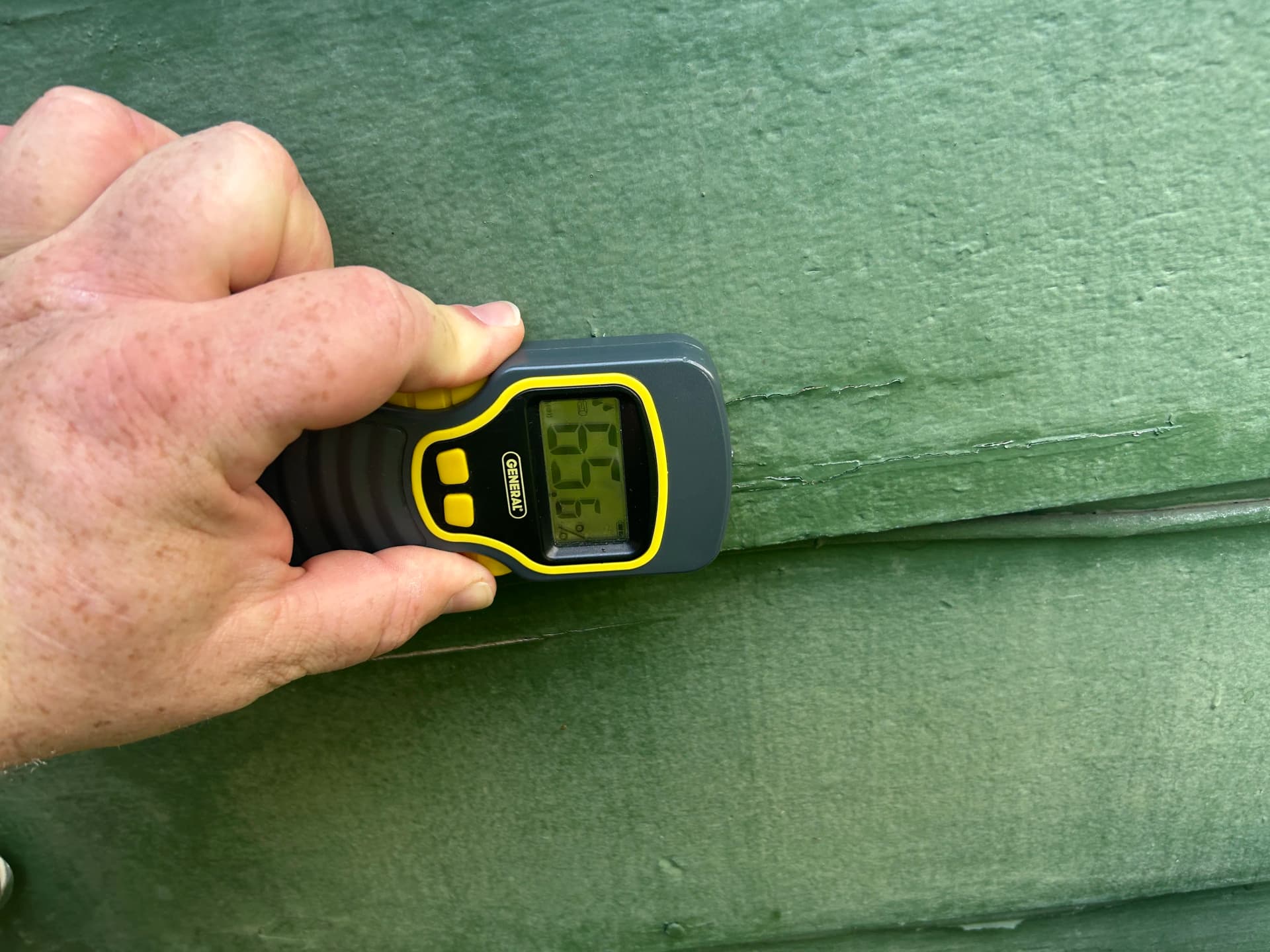
We used a moisture meter to check the actual moisture content in the siding. The reading confirmed what the surface damage was already telling us - levels were elevated well beyond what's acceptable for healthy siding. From there, the scope of work came into focus: siding repair to address the damaged sections, flashing corrections to cut off the water entry points, and a gutter replacement to stop the water from continuing to dump against the wall.
This kind of repair work is what saves homeowners from much bigger bills down the road. Left alone, high moisture in siding eventually works its way into the sheathing and framing behind it. At that stage, you're no longer talking about a siding repair - you're talking about structural repairs. Getting ahead of it at the siding layer is always the right call.
If your home is showing any of the same signs - peeling paint, caulking that's cracked or pulling away, or nails that seem to be working themselves out - those aren't just maintenance items to add to the list. They're your house telling you something is wrong behind the surface. That's worth paying attention to before fall rain season is fully underway.